MSU School of Pharmacy

Welcome to the MSU School of Pharmacy's webpage.

Pharmacy Student's Orientation 2012

The First Pharmacy Student's Orientation in MSU by MPhC

Asian Federation for Pharmaceutical Science Conference 2011

Organizers and participants of Asian Federation for Pharmaceutical Science Conference 2011

Sunday, November 11, 2012

Beware Fake Drugs That Can Kill

PETALING JAYA: Some of the counterfeit drugs being sold in the country are dangerous and can kill, according to the Health Ministry.
The pharmacy enforcement division said a Bill was being drafted to increase the penalties for selling counterfeit drugs.
Division director Mohd Hatta Ahmad said that sex stimulants, painkillers and cough mixtures were among the drugs being counterfeited and sold cheaper than the genuine stuff.
Check the Meditag hologram label found on the product.
The division had found that these fake products and others such as eye drops, cold preparations and ointments, were being sold in traditional medicine and sundry shops and roadside stalls, he told The Star.
The counterfeit products that it had seized were either manufactured locally or brought in from countries such as Indonesia, Thailand, the Philippines, India and China, he said.
Mohd Hatta Ahmad warned that consuming counterfeit sexual stimulants that contain sildenafiltadalafil and verdanafil or slimming agents containing sibutramine without proper supervision from a medical doctor or pharmacist “can lead to serious consequences”.
“These counterfeit drugs can even cause death as they may destroy the body's vital organs and are also reported to cause mental disorders.”
Mohd Hatta stressed that all pharmaceutical products must be registered with the ministry before being marketed.
Fomca chief executive officer Datuk Paul Selvaraj advised the public to buy medication only from established premises and to obtain a doctor's prescription.
“If a medicine is cheaper, be suspicious. There must be a reason why it is cheaper,” he said.
Malaysian Medical Association president Dr S.R. Manalan said the onus was on the consumer to be wary.
“As long as you buy medicine bearing the Health Ministry's registration number, there is nothing to worry about,” he said.
On the new Bill, Mohd Hatta said that it would define clearly counterfeit medicinal products and provide for penalties of up to 10 times stiffer than the current punishment.
The division's statistics indicate that the sale of counterfeit drugs is not widespread, fortunately, and mostly involves popular over-the-counter and prescription medications of particular interest such as Viagra and Cialis.
“Recent studies have revealed the prevalence of counterfeit medicines to be between 3% and 6% in the market,” Mohd Hatta said.

Source: http://thestar.com.my/news/story.asp?file=/2012/9/9/nation/11996631&sec=nation

Thursday, November 8, 2012

Pharmacy Club Bowling Tournament 2012


“Pharmacy Club Bowling Tournament"

Date: 24 SEPTEMBER 2012 (MONDAY)
Time: 4.00 PM – 7.00 PM
Venue: Shalin's Bowl @ Space U8
Organizer: MSU Pharmacy Club (MPhC)


Participants Registration at U-Globe, MSU Shah Alam


Participants arrived at Space U8, Shah Alam.


Participants Looking for Their Name on the Display


Participants Getting Ready to Start Bowling


Foods and Beverages Served during the Tournament


The 1st Place - Individual


The 2nd Place - Individual (Both same score)


The 2nd Place - Individual (Both same score)


The 3rd Place - Individual


The 1st Place - Group


The 2nd Place - Group


The 3rd Place - Group


Token of Appreciation for the Lecturers who Participate... Thank You...


Token of Appreciation for the Ex-MSU Pharmacy Club Committee Member for the Support...


The Participants Group Photo.


The Organizing Committee Member.

Interactive Clincal Pharmacology

Feel that the theory and concept regarding the Clincal Pharmacology (Pharmacokinetics & Pharmacodynamics) is very complicated? There is a website which present all the theory interactively. Have a look and, you may have a better understanding regarding all the complicated theory!

About the website - Interactive Clinical Pharmacology

Purpose
The site has been designed to increase understanding of important and sometimes difficult concepts and principles in Clinical Pharmacology. It is not intended to be comprehensive for all aspects of Clinical Pharmacology teaching. It has been developed using Macromedia Flash to enable user interaction.

Intended Users
The site is for any student or practitioner requiring Clinical Pharmacology knowledge, e.g. undergraduate and post-graduate students in medicine, pharmacy and pharmacology. A basic understanding of physiology and pharmacology is assumed.


Link to the website: http://www.icp.org.nz/index.html

Lecture Series - Drug Intervention in Clinical Pharmacy

“DRUG INTERVENTIONS IN CLINICAL PHARMACY"
By Dr Asif Khokhar, Chief Clinical Pharmacist, King Abdul Aziz Military Hospital, Tabuk, Kingdom of Saudi Arabia.

Date: 10 MAY 2012 (THURSDAY)
Time: 11.00 am – 12.00 pm
Venue: Lecture Theatre 0715, MSU
Organizer: MSU School of Pharmacy & MSU Pharmacy Club

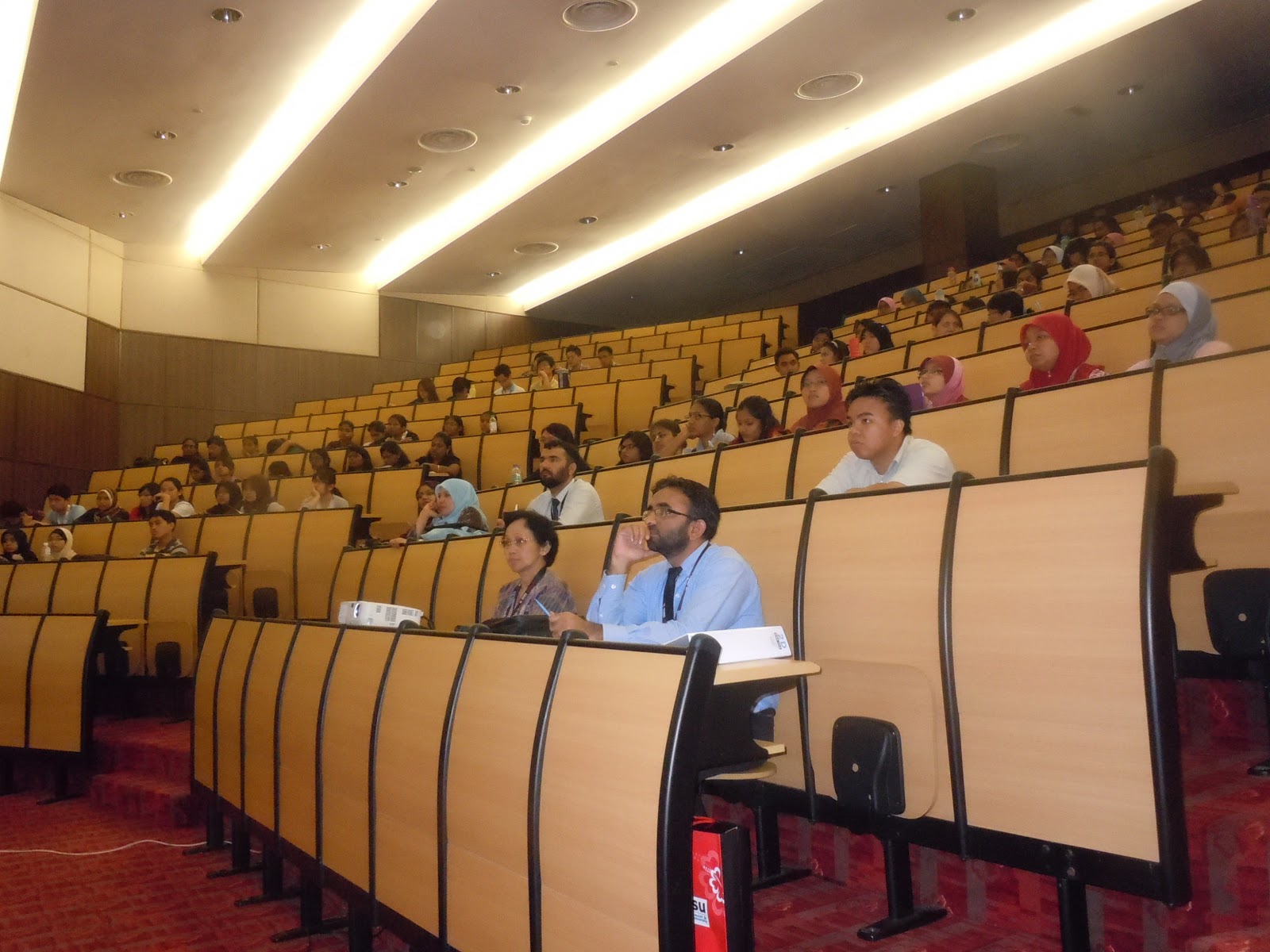
Our invited guest, Dr Mohammad Asif Khokhar from the KAAMH, Kingdom of Saudi Arabia, who has been serving as a clinical pharmacist and managed outpatient pharmaceutical services has more than 20 years of experiences in clinical pharmacy. During his lecture series, he gave presentation on the topic, “Drug Interventions in Clinical Pharmacy”. He discussed on the medication errors and several types of possible interventions. Mainly, his talk was focused on three parts: the statistics of interventions, examples of some potential interventions, and examples of some bad interventions. The purpose of this lecture is to allow students as well as lecturers to gain knowledge regarding the drug interventions in clinical pharmacy through the sharing of Dr Asif experience in his specialized field. As part of the healthcare team, pharmacists play a significant role as well in ensuring that patients receive the right medication.

This lecture series has provided an opportunity for the Pharmacy students to gain knowledge on drugs interventions and medication errors in the clinical pharmacy. As a professional pharmacist, our mission is to provide the right drug to the right patient in the right frequency and right dose as well as the right route of administration. We, pharmacists play an important role in providing the proper medication and quality health care services to the community.


Dr Asif is accompanied and assisted by Assoc. Prof Erni and Mr Ejaz during his lecture series at MSU.


Dr Asif begins his talk by starting with the types of interventions.


Lecturers, Dr Rasha and Madam Mazlina, together with the School of Pharmacy students participate in the talk.


Students are paying attention and showing great interest in the talk.


Focus and concentration are given during the talk by all participants.


Dr Asif is explaining about the drug interventions based on the statistical results obtained. 


Before the end of the talk, a token of appreciation is given to Dr Asif by Assoc. Prof Erni in gratitude of his brilliant talk in MSU.


Saturday, September 22, 2012

Bowling Tournament's Group and Lane Arrangement

Attention to all participants of bowling tournament,

Below are the Group and Lane Arrangement of the Bowling Tournament, please make sure your name are in the list and remember which group and lane you are in. Your cooperation is greatly needed in order to make this event a success.
The colors indicate different batch of participants:
  • Blue - Diploma in Pharmacy
  • Red - Bachelor in Pharmacy Year 1
  • Green - Bachelor in Pharmacy Year 2
  • Purple - Bachelor in Pharmacy Year 3
  • Yellow - Bachelor in Pharmacy Year 4 
*You may click on the picture to zoom in...


Thursday, September 13, 2012

An Aspirin a Day Lowers Cancer Mortality, New Data Confirm


August 10, 2012 — Results from a new study support the daily use aspirin to help prevent death from cancer.
However, questions remain about the size of the potential benefit, lead author Eric J. Jacobs, MD, from the American Cancer Society (ACS) in Atlanta, Georgia, told Medscape Medical News.
Dr. Eric Jacobs
"We were prompted to do the study because a recent analysis pooling results from existing randomized trials of daily aspirin for the prevention of vascular events found an estimated 37% reduction in cancer mortality among those using aspirin for 5 years or more [Lancet. 2012;379:1602–1612]," Dr. Jacobs said.
"But uncertainty remains about how much daily aspirin use may lower cancer mortality. The size of this pooled analysis was limited, and 2 very large randomized trials of aspirin taken every other day found no effect on overall cancer mortality," he explained.
To clarify how much daily aspirin use might lower the risk for fatal cancer, Dr. Jacobs and his colleagues analyzed information from 100,139 predominantly elderly participants in the Cancer Prevention Study II Nutrition Cohort who reported using aspirin on questionnaires.
The study was published online August 10 in the Journal of the National Cancer Institute.
The participants, who did not have cancer at the start of the study, were followed for up to 11 years.
The researchers found that daily aspirin use was associated with an estimated 16% lower overall risk for cancer mortality, both among people who reported taking aspirin daily for at least 5 years and among those who reported shorter-term daily use.
The reduction in overall cancer mortality was driven by a decrease of about 40% for cancers of the gastrointestinal tract (such as esophageal, stomach, and colorectal cancer) and a decrease of about 12% for cancers outside the gastrointestinal tract.
Too Soon to Recommend Aspirin to Prevent Cancer
"Although recent evidence about aspirin use and cancer is encouraging, it is still premature to recommend that people start taking aspirin specifically to prevent cancer," Dr. Jacobs said.
"Even low-dose aspirin can substantially increase the risk of serious gastrointestinal bleeding. Decisions about aspirin use should be made by balancing the risks against the benefits in the context of each individual's medical history, and any decision should be made only in consultation with a healthcare professional," he explained.
He added that expert committees developing clinical guidelines will consider the totality of the evidence on risks and benefits when guidelines for aspirin use are updated.
"I hope this study and other recent promising research about aspirin will lead to studies that look very carefully at daily aspirin use over long periods of time to more clearly understand aspirin's effects on specific cancers," Dr. Jacobs said.
Big Picture Is Positive
In an accompanying editorial, John A. Baron, MD, from the University of North Carolina School of Medicine in Chapel Hill, writes that "overall, the well-conducted ACS study is an echo of other data on aspirin and cancer mortality, not a resounding confirmation."
The "big picture" on aspirin use and cancer is "very positive," he noted. "The drug clearly reduces the incidence and mortality from luminal gastrointestinal cancers, and it may similarly affect other cancers. This is exciting: simply taking a pill can prevent cancer incidence and cancer death."
However, like Dr. Jacobs, Dr. Baron urges caution with regard to the widespread recommendation to use aspirin to prevent cancer.
Just because aspirin is effective "does not mean it necessarily should be used. Aspirin is a real drug, with definite toxicity. As for any preventive intervention, the benefits must be balanced against the risks, particularly when the benefits are delayed whereas the risks are not," he writes.
Dr. Jacobs has disclosed no relevant financial relationships. Dr. Baron reports being a consultant to Bayer, and holding a use patent for the chemopreventative use of aspirin, currently not licensed.
J Natl Cancer Inst. Published online August 10, 2012. AbstractEditorial
Source: http://www.medscape.com/viewarticle/768917?src=mp

Tuesday, September 11, 2012

Can too much sugar cause diabetes?


Diabetes is one of those diseases we all 'sort of' know about — something to do with sugar, right?

Well, if you 'sort of' know that much, here are some facts you should know for sure: diabetes can lead to blindness, heart attack, stroke and its incidence has tripled in the last ten years — there's a new case diagnosed every seven minutes.

So it affects millions of us.

But the good news is, for most people, it's largely preventable. But how?

Our reporter, Dr Andrew Rochford, is going to put a commonly held belief about diabetes to the test. Andrew is going to over indulge his sweet tooth — and it's all in the name of medical research.

Sugar is often associated with Australia's fastest growing chronic disease — diabetes. But what we want to know is can too much sugar in your diet actually cause diabetes?

>Essentially, diabetes is related to elevated blood sugar levels, so the logic goes, eat more sugar, get diabetes.

Associate Professor Maarten Kamp is a diabetes expert at the Gold Coast hospital: "Currently more than 1.2 million Aussies have diabetes and only half of those are diagnosed, so half the people with diabetes are unaware of it. There's a further two million or so people who are at risk of developing diabetes, having a condition we call pre-diabetes."

It's forecast that by 2010, 1.8 million Australians will have diabetes. That will put them at risk of heart disease, strokes, kidney failure, blindness, nerve damage and a whole host of other nasties.

Here's how diabetes happens:

To get the energy we need to survive, our body converts some of the food we eat into sugars, also known as glucose. At the same time, our pancreas is creating a hormone called insulin, which acts like a key, binding to cells and allowing them to absorb that glucose. But people with diabetes don't produce enough insulin, or that insulin doesn't work properly, so it's like they've lost the key — the cell door stays locked and the glucose stays in your blood.

"And that means that whilst there is plenty of glucose in the blood, too much glucose, and that's what's damaging, and isn't getting into the cells properly where it's needed to provide energy for the body," says Professor Kamp.

Andrew also needs to declare a personal interest: "My dad has diabetes and we've had some scary times with this illness. Diabetics have to keep a careful balance between insulin and glucose in his body. So my dad has to inject insulin four times a day. If he gets the balance wrong, then he can fall into a coma — called a hypo."

Unfortunately the diabetes has put a lot of strain on my wife and children particularly when I have hypos in the middle of the night and four and five-year-old kids see their father being carted down the stairs by ambulance men. Andrew unfortunately has seen that on a couple of occasions and I'm sure he's not too happy about it," says Michael Rochford.

Fortunately those attacks, which can be fatal, are rare.

There are two types of diabetes, Andrew's dad is a Type 1:

"Type 1 diabetes is predominantly caused by being at risk with having inherited genes that place people at risk and we think it's then set off by particular types of infections. It's not absolutely clear what causes Type 1 diabetes," says Professor Kamp.

But most people with diabetes, nearly 90 percent of sufferers are Type 2.

"Type 2 diabetes again people have a predisposition to it, genetic predisposition, but it largely develops as a result of overweight, inactivity, over-nutrition that we see in our society nowadays," says the Professor.

Type 2 diabetes usually starts around age 45, but a recent report showed children in Australia are now suffering from the disease.

Which brings us back to our test…

First Andrew has his normal insulin and glucose levels recorded through a blood test. Then comes the good part — a pig-out in a lolly shop.

Andrew: "It's a tough gig, but I'm up to the challenge … If a sugar overdose can cause diabetes, all this lot ought to do the trick … Finally a test I can enjoy — guilt-free."

It sounds logical — the more you eat, the higher the levels, so after Andrew has binged for 24 hours he heads off to have his blood sugar levels tested again. Remember, the body absorbs sugar, by producing insulin, which unlocks the cell doors. A non-diabetic person produces enough insulin to cope with as much glucose as we throw at it, and keep the blood sugar normal.

So what do Andrew's results say?

"Now on the day when I had the high sugar diet — the diet we should all avoid — my blood sugar stayed the same, which you'd expect from someone without diabetes. But my insulin level was through the roof, my pancreas was working overtime to try and maintain my blood sugar at that level," says Andrew.

But his system did cope — despite the binge, his blood sugar level stayed normal, and that means eating sugar is not a direct cause of diabetes.

But if Andrew kept that high-sugar diet up, he could develop insulin resistance and he'd certainly put on weight, which is a major problem.

"Obesity is a very important factor in contributing to diabetes it's certainly the main factor that's contributing to the epidemic of
diabetes that we have," says Professor Kamp.
So how do you know if you have diabetes?

Some of the symptoms include:
·         Fatigue
·         Passing urine frequently
·         Constant thirst
·         Infections that are slow to heal
If you are diabetic or at risk of it, diet is one area you can really take control of to improve your situation.

>Chef Peter Howard has done just that. Food is Peter's passion, but as he himself admits, he loved it just a bit too much: "Always eating, always drinking, not really caring what I was eating and not really caring what I was drinking just as long it was a lot of both."

But all that's changed since he was diagnosed with Type 2 diabetes.

Diabetes can't be cured but Peter is controlling his condition with diet and exercise — so far he doesn't need insulin shots. He now walks every day and does weights and crunches and he's lost 15 kilos.

What did Peter have to cut out of his diet?

"Mostly fats, I loved deep fried things so the fats had to go. Sugars … I loved sweet things, absolutely loved sweet things, just adored them so they just had to go and I think actually the amount was the thing as well, and the constancy. So now I do eat very, very well and I eat a lot, but I eat a lot of really good food and what I'm always looking for is food that's high in fibre."

He's so passionate about living better, Peter's even brought out his own cookbook with recipes for good health.

The plain truth is we're sitting on an obesity time bomb that could explode into a massive diabetes epidemic. But we can change the future by changing how we eat right now.

So there are many causes of diabetes but we're happy to report that sugar isn't one of them. But does that mean you can stay in a lolly shop and gorge yourself? No, because if you eat too much sugar then you'll put on weight and obesity is a risk factor.

So all the fun aside, diabetes isn't a laughing matter — you can protect yourself with a healthy diet and regular exercise and if diabetes runs in the family or you have any concerns go and see your doctor.
·   Why do people normally inject insulin instead of taking a pill? Because if they swallowed it, digestive enzymes would destroy it before the body could use it.

Source: http://health.ninemsn.com.au/whatsgoodforyou/theshow/694040/can-too-much-sugar-cause-diabetes

Pharmacist Seek RM5 Per Visit


With reference to the report entitled “Pharmacists seek RM5 per visit” (New Straits Times, 28 July 2012), the Ministry of Health is cognizant of the integral role played by pharmacists in the provision of healthcare in this country. Previously, pharmacists were mainly involved in the manufacturing, quality control and supply of medicines. Today, this has changed and pharmacists are actively involved in patient focused services and it is not uncommon for community pharmacists to provide services such as advice on the management of minor ailments, medication counselling, smoking cessation and weight management programs.

In most countries, pharmacists are paid a professional fee based on the services provided and the types of drugs dispensed. Currently, there is no standardised fee schedule in Malaysia for pharmacists unlike for doctors and dentists. For this to happen, there are several things which need to be put in place such as a fair drug pricing system, standardisation of service provision and a monitoring system by the government and the professional body itself.

Accreditation of community pharmacies against benchmarking standards has already been initiated through collaboration between the Ministry of Health, the Malaysian Pharmaceutical Society and the Malaysian Society for Quality in Health to ensure that they consistently deliver a high standard of care. The Ministry is also in the process of developing a medicines pricing system through which there will be uniformity in medicine charges. The introduction of mandatory continuing professional education will also help to ensure that practising pharmacists are equipped with up-to-date knowledge and that they provide the best standards of care to their clients.

The Ministry of Health will ensure that the public is not burdened when they seek professional help at the pharmacy and any form of remuneration is in line with fair medicines pricing and the provision of quality pharmaceutical services.


Dato’ Eisah Binti A. Rahman
Senior Director of Pharmaceutical Services
Ministry of Health Malaysia

Source: New Straits Times, 28 July 2012, Page 3 & MyPSA's Facebook Page

Tuesday, August 28, 2012

Pharmacy Club T-Shirt Design Competition


Hi guys! MSU Pharmacy Club (MPhC) is back in action and there's a whole new line up of exciting activities in store for you guys.... First, we would like to kick start our new semester with the PHARMACY CLUB T-SHIRT DESIGN COMPETITION.... CASH PRIZES & FREE T-SHIRTS UP FOR GRABS!!!....GEMS are also given!!!! You can get the registration forms from your mentor beginning 16th August (Thursday).... Please refer to the brochure below for further inquiries.... Support your club, SUPPORT MPhC!

Tuesday, November 15, 2011

Home Medication Review (HMR)

HOME MEDICATION REVIEW
Duration; 14th November 2011

At 14th of November which is Monday, I followed the pharmacist in charge, Mr. Chan Chee Meng (U44) for the home medication review program. We went to the psychiatric ward located outside HTAR which is at Jalan Pegawai, Klang where the Klang Health Clinic and Klang Dental Clinic located about 10am. We were accompanied by a staff nurse Pn. Dermia, a medical assistant En. Amri, and a driver Mr. Kumar. In this program, we will go to the patient’s home to check for his/her compliance towards medicine and their progress. However, some patients went out when we did the visit. Mr. Chan said that they will contact the patients to notify them the next visit to their house. Some patients which are in critical condition will be given Clopixol Depot® 200mg/ml Inj. (Zuclopenthixol Decanoate) intramuscularly by the nurse or medical assistant. Among all the 12 patients visits, I found an interesting case of patient A which her mother complained the patient wake up very late in the morning because she sleep about 2am, and she would’t be able to move her body up after wake up from the sleep. After Mr. Chan checked the medicine dosage while the medical assistant checked the blood pressure and heart of the patient, they discussed with the doctor on phone to change the dosage of clozapine tablet 100mg OM and 500mg ON to 200mg OM and 400mg ON. Propanolol dosage reduced from 20mg BD to 20mg ON. The dosage of fluoxetine remains 60mg. Some patient’s family members really thanked us because patients developing positive progress on their mental health. We ended our visit about 2pm. Then, I followed Mr. Chan to his office and I started to ask him several questions. Next page is the explanation about Home Medication Review (HMR).
Introduction

Home Medication Review (HMR) is a patient-focused process which advocates the optimal and quality use of medication at the patient’s home. It involves systematic assessment of the patient’s medication in order to identify and meet the medication-related needs as well as to identify, resolve and prevent drug related problems.

This service is a continuation of patient’s care from health facilities to their home. It is a comprehensive activity which involves clarification of the indication for use and administration details of all prescription and non-prescription medicines (including nutritional supplements, vitamins, herbal/complementary medicine and other remedies) with access to medication storage.

Pharmacist as one of the important service providers in the health care system, are responsible for provision of information and advising patient or (care giver) regarding medications and therapeutic devices. They play a major role in monitoring and advocating patient’s awareness about safety, appropriate and quality use of medications and encourage compliance, in order to optimize therapeutic outcomes.
Objectives
Primary Objective
The objective of HMR is to improve health outcomes and quality of life of the patient by emphasizing the Quality Use of Medication, which is appropriate, safe, judicious and efficacious. The pharmacist works with the patient, doctors and other health care providers to evaluate medication related information as well as identifying, preventing and optimizing health outcomes. The best outcome of HMR is achieved by reconciling all medication related information including Prescription and Over the Counter (OTC) medicines, traditional medicines, health supplements as well as therapeutic devices and aids.

Secondary Objectives
• To monitor patients’ adherence towards medications especially patient suffering from chronic illness.
• To educate patients and their care givers pertaining to the importance of medication adherence and to address other medication related issues such as side effects and adverse drug reaction
• To ensure the right medication and the right amount are stored properly at patient’s home.
• To identify and resolve possible drug interaction involving all medicines involving all medicines including prescribed medicine, over the counter (OTC) medications, traditional as well as health supplements.
• To counsel patients and their care givers in order to improve their insight towards medication and overall well being.
• To facilitate a cooperative working relationship between the pharmacist and other members of the health care team in order to benefit the well being of the patient,
• To facilitate care givers involvement in the management of patient’s illness


Scope of Service
The HMR service is to be extended to patients who are currently seeking treatment in Ministry of Health Hospitals ans Community Health Clinics only.
Manpower Requirement
All appointments for HMR should be conducted by a qualified pharmacist. The HMR Pharmacist may accompany other health care team members if needed.
Appointment
Appointments or the number of visits for patients under the HMR program will be determined by the Pharmacist conducting the HMR.
Procedures
Patient Inclusion Citeria
The need of HMR lies on the treating doctor but any member of the health care team may trigger a potential need for HMR.
The citeria which may be used to determine the need of HMR are as follows:
• Patient suffering from chronic illness and taking five or more medications for long term therapy.
• Patients who are taking more than 12 doses of medications daily.
• Patients suspected of non-adherence or not managing well with medication-related therapeutic devices (such as inhalers or insulin pen).
• Patients who are managing their own medication but at risk due to language difficulties, impaired insight, confusion/dementia or any other cognitive difficulties such as psychiatric and geriatric patients.
• Patients who are taking medications with narrow therapeutic index or requiring therapeutic drug monitoring such as warfarin, phenytoin,digoxin etc.
• Patients who are recently discharged from hospital with significant change in medication regimen.
• Patients who have defaulted treatment or fail to refill their medication especially for chronic illness.
• Patients attending number of different doctors from the same health facility or receiving treatment from multiple health facilities.
• Symptoms requiring pharmaceutical intervention such as occurrence of adverse drug reaction or sub therapeutic response toward treatment.
Patient Exclusion Citeria
• Patients who are not Malaysian citizens.
• Patients who are homeless.
• Patients who are aggressive.
• Patient’s family who signed the consent form regarding unwillingness to join HMR.
Administrative Requirement
• HMR pharmacist need approval from Head of Department- official letter
• All HMR visits should be conducted after obtaining consent for visit from patient/care giver.
• Risk assessment should be done by the HMR pharmacist prior to visit, especially if the home visit is not to be conducted along with the community home care team.
Activities
ENROLLMENT OF PATIENTS FOR HMR
Pharmacist select HMR patients from the referral form from doctor. Then obtain consent from patient/caregiver to participate by filling up the consent form. Risk assessment applicable if HMR done by pharmacist alone.


PREPARATION BEFORE HOME VISIT
Make appointment with the patient/caregiver. Note down the appointment in HMR Appointment Record. Then prepare medication identification chart based on the patient case record. Then ensure all procedures in the checklist are adhered.
CONDUCTING HOME MEDICATION REVIEW
1. Introduce yourself and explain the purpose of the visit to the patient/care giver.
2. Initial assessment by HMR pharmacist.
3. Medication Adherence Evaluation using Modified Morisky Medication Adherence Scale.
4. Pharmacotherapy review
a) Identify pharmaceutical care issues
b) Plan interventions to address all the identified drug related problems
c) Discuss with the doctor pertaining to any change of regimen or other suggested intervention. To alert patient to come for follow up visit in clinic if needed.
5. Remind patient to attend the clinic on the appointment date with the doctor.
6. Distribute related pamphlets/leaflets to patient/care giver.
7. Remind patient/care giver to bring all the balance medication on next appointment with the doctor and return to pharmacy unit to get new supply based on new prescription.
8. Follow up visit will be held upon another referral from prescriber or when deemed appropriate by the HMR pharmacist.

Friday, October 7, 2011

Only 1 year Compulsory Service

For BPharm student, except JPA student...now the govt is reducing the service period from 1+3 to 1+1. Good or bad?

Tuesday, June 14, 2011

SOP

How are you readers? Hope everything is fine. Good luck for the final examination for February 2011 session. I would like to share what is SOP today. SOP stands for standard operating procedures. SOPs are detailed written instructions to achieve uniformity of the performance of a specific function.


Standard Operating Procedures (SOPs) help maximum safety and operational efficiency for these kind of organisations:
- Pharmaceutical organizations
- Government organizations
- Emergency response operations
- Clinical research organizations
- Power producing organizations

A standard operating procedure (SOP) is a set of step by step written instruction on how to do the certain task. All important tasks performed in a compounding pharmacy should be covered by SOPs and documentation. SOPs can act as effective catalysts to drive performance-improvement and improve organizational results.
SOPs should be developed for:
 facility maintenance
 equipment calibration and maintenance
 personnel training and validation
 and the preparation, packaging and storage of compounded items
SOPs should also include sign-off or log sheets to document that the SOPs have been followed.
PURPOSE
SOPs can assure that:
 Supplies and chemicals are received, inventoried, compliant with compounding standards, stored properly and disposed off correctly
 The equipment is properly maintained and calibrated
 All procedures and tasks are performed consistently and documented

A well-written SOP can be used to satisfy compliance requirements. SOPs are recommended for all procedures that pose a potential risk to the health and safety of personnel.

Standard Operating Procedures (SOPs) lets you operationalize documents such as plans, regulation, compliance, and policies. SOPs distil requirements contained in these documents into a format that can be used by staff members in their work environment.

Standard Operating Procedures (SOPs) should be tranfered without every modification to insure the expected results. Every modification or divergence of a given standard, the Procedure should being served, while an investigation and results of the investigation documented according to the internal divergence procedure. All high-class processes and procedures should be put on in a Standard Operating Procedure.

This Standard Operating Procedure should be the base for the everyday training programme of every employee. The Standard Operating Procedure should be often updated to insure of obedience to the realisation conditions and the working practise.

A minimum review list of 3 years is recommended. Changes of the Standard Operating Procedure are activated generally by the process or the procedure changes or the adaptations. These changes should be led by the internal site controlling procedure. A part of the activity list of such changes should be to update the coherent standard operating procedure. Standard operating procedure should be in the place for all high-class systems plus the specific operational activities on the side.

The structure of a the Procedure System and the sum of all SOPs should be considered carefully. Too many standard operating procedure could lead to a breakdown of the SOP Sstem.


there is a documentary film which shared the same title

http://www.imdb.com/title/tt0896866/


SOP plays a vital role in our life. Imagine what is the life going to be without them. Hope you will get knowledge from this article.

Thursday, February 24, 2011

Coca-Cola and Pepsi Soft Drink Ingredient Can Cause Cancer


Coca-Cola and Pepsi deny their soft drinks cause cancer, but studies show that the caramel coloring ingredient used in Coca-Cola and Pepsi can cause cancer.

A widely consumed beverage, colas are known for their dark colors and fizzy taste. New revelations point to a hidden danger in those colas, that many consumers are unaware of. On February 22, 2011, Michael F. Jacobson, Ph.D and Executive Director for the Center for Science in the Public Interest, CSPI, appeared in the Huffington Post with accusations against both Coca-Cola and Pepsi soda drinks.

Caramel Food Colorings Contain 4-Methylimidazole: Carcinogen

Caramel food colorings are used in many dark beverages and some beers to give a darker and "caramelized" color to the product. As Jacobsen reports, there are four different types of caramel coloring that are used as additives in certain beverages.

The first caramel coloring is simply made by melting and browning sugar, thus creating a caramel color. However, the other three methods of producing a caramel color involves reacting sugar with other chemical compounds. Caramel coloring can be achieved when reacting sugar with sulfites, sugar with ammonium compounds, or, in Coca-Cola and Pepsi's case, reacting sugar with both ammonium and sulfite compounds. Coloring made from the last recipe is also called "Caramel IV" or "ammonia-sulfite process caramel."

When sugars are reacted with ammonia, byproducts such as 2-methylimidazole and 4-methylimidazole are able to form.

Coca-Cola and Pepsi Caramel Coloring 4-Methylimadazole Causes Cancer

4-Methylimadazole has shown to be harmful to health and is capable of causing cancer. The Office of Environmental Health Hazard Assessment has provided notice of intent to list 4-Methylimadazole as a chemical that can cause cancer.

The National Toxicology Program reports that a study involving rats and mice yielded mixed results when it came to ingesting 4-methylimidazole. Male rats who were exposed to the chemical showed no evidence that it caused cancer. However, female rats showed equivocal evidence of Monoluclear cell leukemia. The studies involving mice showed that both the male and female mice displayed clear evidence that 4-methylimidazole caused carcinogenic activity.

On January 7, 2011, The State of California put 4-Methylimadazole on the list of Proposition 65, which contains chemicals known to cause cancer.

FDA Asked to Ban Certain Caramel Colorings In Coca-Cola and Pepsi Drinks

The CSPI is asking the U.S Food and Drug Administration, FDA, to ban certain caramel colorings that are used in darker colored beverages. Those colorings that use sugar reacted with ammonia are the ones that produce the byproducts 2-methylimidazole and 4-methylimidazole and are the ones that the CSPI are asking the FDA to ban.

Manufacturers such as Coca-Cola and Pepsi can still use caramel colorings made from reacting sugars with sulfites, as they have not shown to produce cancer-causing byproducts.

American Beverage Association Denies Danger of 4-Methylimadazole

Opposing the CSPI's accusations, the American Beverage Association, ABE, has denied the dangers of the byproduct 4-Methylimadazole, 4-MEI, and indicates that there is no threat whatsoever to human health. The ABE further states that the CSPI is trying to scare the general public and that there is no proof that 4-MEI causes cancer in humans.

The studies done by the National Toxicology Program did not, in fact, test any humans to determine carcinogenic activity. The study only involved mice and rats and did prove that 4-MEI is able to cause cancer, though it's not yet determined what species may be affected.

The concern was great enough for the State of California however, and the addition of 4-Methylimidazole to Proposition 65 was effective as of January 7, 2011.

The American Beverage Association further backs up their denial that 4-MEI causes cancer, by stating that " ...people have been safely drinking colas for more than a century....".

Human studies have not yet been concluded to determine if 4-MEI causes cancer in humans and whether or not individuals who consumer dark-colored beverages have a higher instance of cancer than those who do not consumer dark-colored beverages.